Grand Canyon Tours from Phoenix: Every Way to Do It
The South Rim sits a long half-day north of Phoenix, and there are more ways to close that gap than most first-timers realize. Here is the drive, the detours, the overnight bases, and the tours that turn the trip into something bigger than a photo stop.
 Written with Daniel Begay, Southwest canyon-country tour guide & Navajo cultural specialist
Short answer
From Phoenix you want the South Rim, about 3.5 to 4 hours north via I-17 and Flagstaff. A day trip works but runs long. An overnight in Flagstaff, Williams, or Tusayan makes it comfortable, and once you are up there the Tusayan airplane tour and the South Rim sunset tours are the add-ons worth booking ahead.
Somewhere past Black Canyon City on I-17, the saguaros quit. You climb out of the Sonoran heat, the air through the vents turns cool, and by Flagstaff you are in ponderosa pine country wondering why you packed shorts. I have made that climb more times than I can count on my way home to the Navajo Nation, and it never stops feeling like driving into a different state. The Grand Canyon sits at the top of that climb, and Phoenix is a better launch point for it than most people give it credit for.
How far is the Grand Canyon from Phoenix, and which rim should you aim for?
The South Rim is the natural rim from Phoenix, roughly 3.5 to 4 hours of driving north via I-17 to Flagstaff and then up to the park. The West Rim and its Skywalk are the Las Vegas-side trip, so from Phoenix they make little sense. Point the car at the South Rim and do not overthink it.
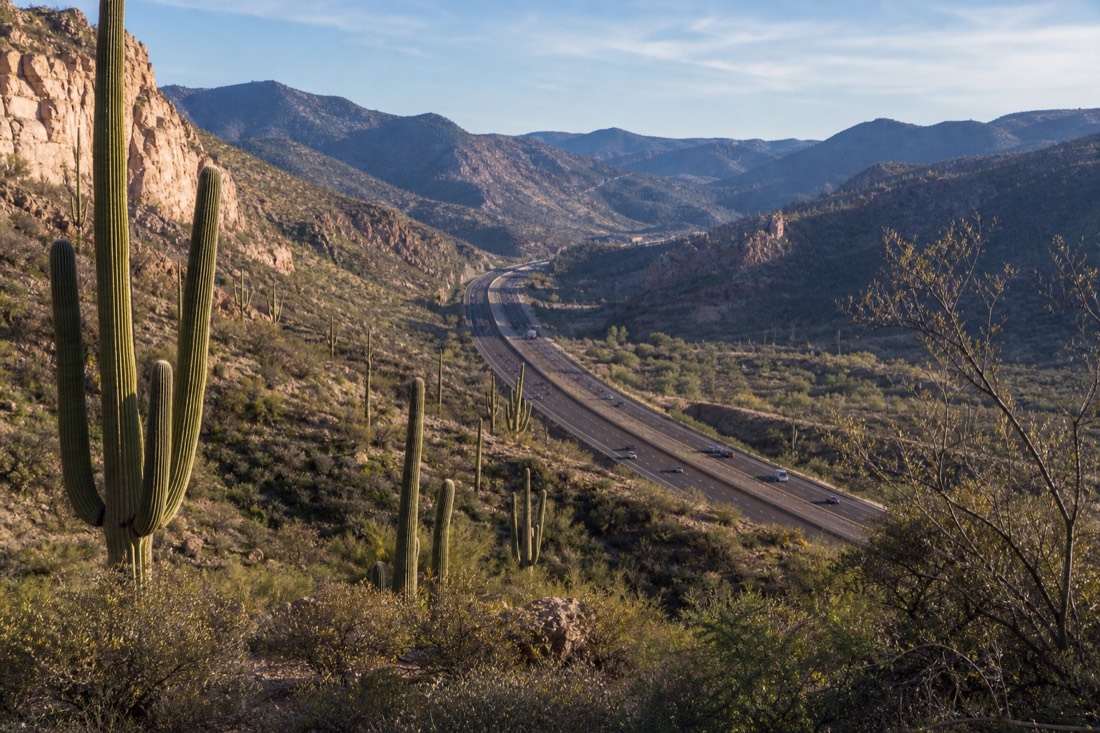
People conflate the rims constantly, and it costs them hours. The South Rim is the classic canyon, the one in the photographs, inside Grand Canyon National Park. The West Rim is a separate destination on Hualapai tribal land, priced and run separately, and it sits on the Vegas side of the map. From Phoenix, the roads, the distance, and the views all point south rim.
| From Phoenix | Where it goes | Verdict |
|---|---|---|
| I-17 north to Flagstaff, then to the South Rim | Grand Canyon National Park, ~3.5 to 4 h | The trip to make |
| Detour through Sedona and Oak Creek Canyon | Same destination, slower and prettier | Worth it with time to spare |
| West Rim / Skywalk | Hualapai land, Vegas-side geography | Skip it from Phoenix |
Can you do the Grand Canyon as a day trip from Phoenix?
Yes, and people do it every day. Count on 7 to 8 hours of round-trip driving, which leaves a solid afternoon at the rim if you leave early. It is a long day, not a hard one. The trade is simple: you give up sunrise, sunset, and any slack in the schedule.
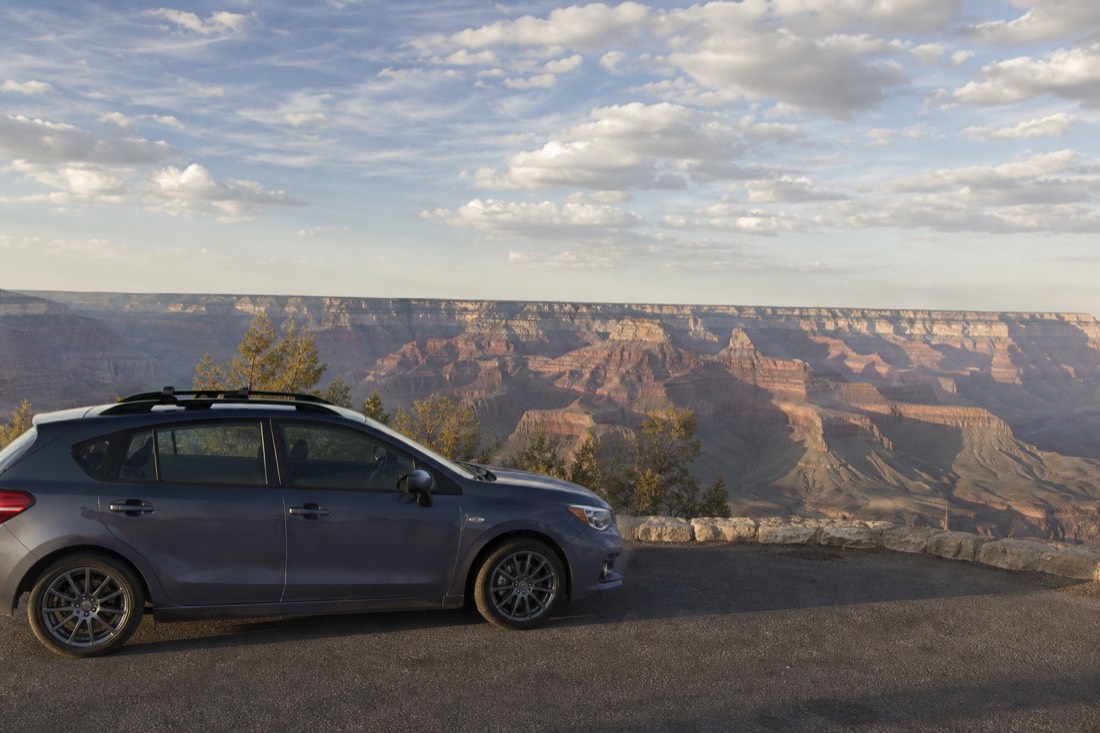
The math is honest if you are honest with it. Leave Phoenix at 6am and you are at the rim before 10am with the whole midday ahead of you. Leave at 9am and you arrive with the light flat and the parking lots full. The canyon does not need a reservation, and there is no timed-entry system, so the day trip lives or dies on your alarm clock. Entrance is paid at the gate or online through the park's fee page.
What a day trip cannot give you is the light. The canyon at noon is a postcard; at sunset it is a furnace of color that shifts by the minute. If the trip matters to you, read the one-day itinerary and then ask yourself whether one more night away from Phoenix is really impossible.
Should you route through Sedona and Oak Creek Canyon?
If you have never seen Sedona's red rocks, yes. The detour off I-17 adds real time but trades freeway miles for one of Arizona's great drives, 89A up through Oak Creek Canyon's switchbacks to Flagstaff. As a there-and-back day trip addition it is too much; as part of an overnight loop it is perfect.
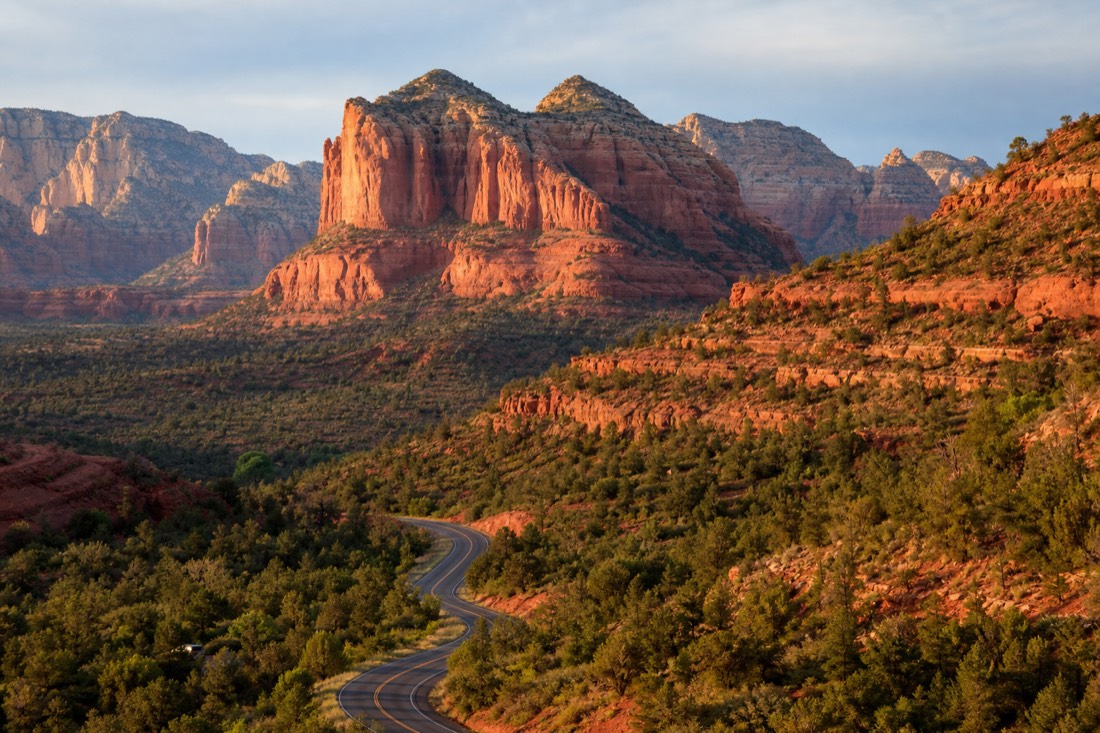
The standard move is a loop: I-17 north, exit for Sedona, lunch under the red rocks, then 89A up Oak Creek Canyon to Flagstaff and on to the park. Oak Creek is a slow road by design, hairpins under oak and pine with the creek beside you, and rushing it wastes it. Sedona also works as its own base for the canyon, a subject I cover properly in the Sedona day trip guide.
One warning from someone who has been stuck in it: Sedona traffic on weekends is real. Build in more time than the map says, or do the red rocks on the return leg when your schedule has already survived the canyon.
Where should you stay overnight on a Phoenix trip?
Three bases work: Flagstaff for the biggest town with the most hotels and food, Williams for the railway and Route 66 charm, and Tusayan to sleep minutes from the park gate. Any of them turns the long Phoenix day trip into two easy days with sunset and sunrise on the table.
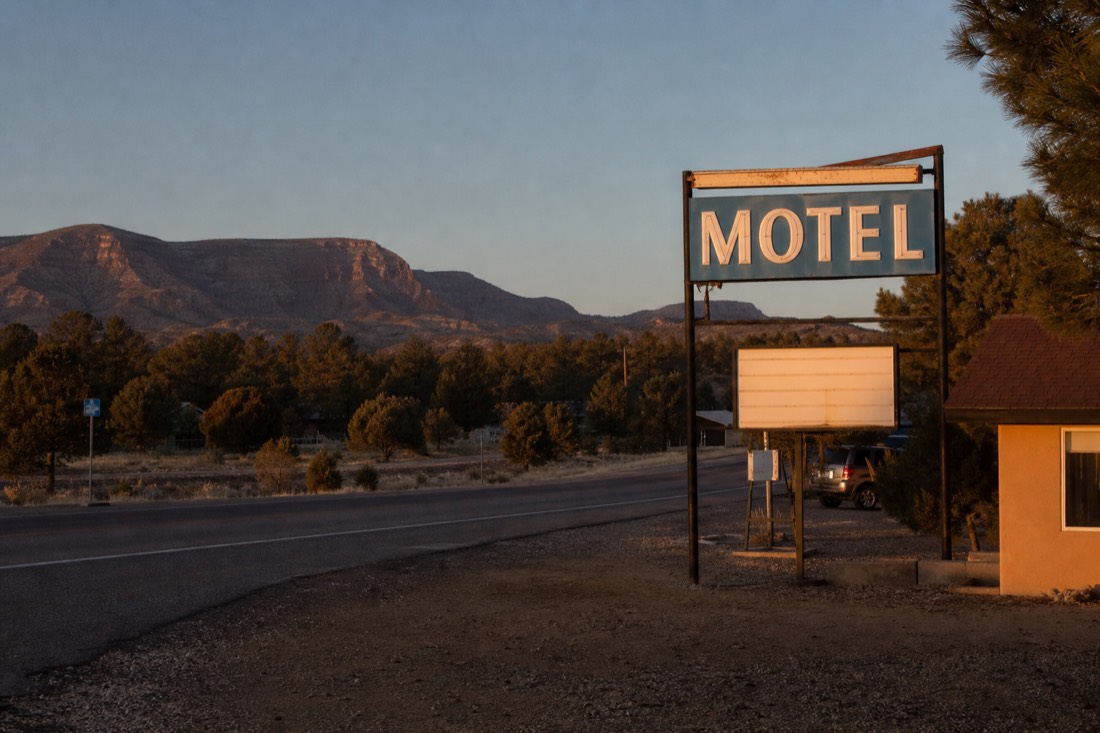
The overnight is where a Phoenix trip stops being an endurance event. Drive up in the afternoon, sleep at elevation, and hit the rim early with the crowds still at breakfast. Flagstaff gives you the most choices. Williams gives you the train, more on that below. Tusayan gives you proximity and not much else, which at 5am is exactly what you want.
| Base | Drive to the South Rim | Best for |
|---|---|---|
| Flagstaff | ~1.5 h | Hotels, restaurants, Route 66, flexibility |
| Williams | Railway town, ~30 min west of Flagstaff | The train strategy, old-highway character |
| Tusayan | Minutes from the gate | Earliest starts, sunset without the late drive |
I break down the specific hotels and trade-offs in the where to stay guide, including what booking inside the park actually takes.
What can you book once you reach the South Rim?
The two add-ons that change a South Rim visit are the 40-minute airplane tour out of Tusayan, rated 4.8 across 1,554 GetYourGuide reviews, and the guided sunset tours along the rim. The airplane shows you the canyon's full width in under an hour; the sunset tours put you at the right overlook at the right minute.
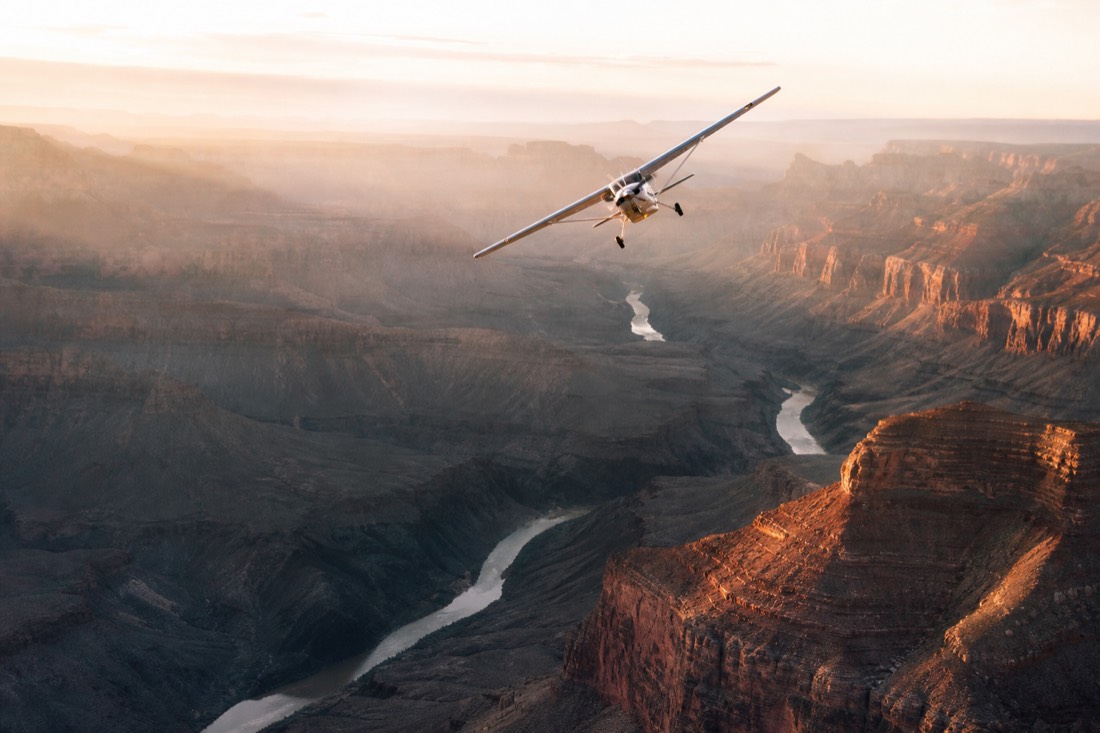
From the rim you see a wall of stone and a sliver of river. From the air you see the whole system, side canyons folding into each other for mile after mile. The Grand Canyon Airlines flight leaves from Tusayan's small airport, minutes from the gate, which is why it slots so cleanly into a Phoenix overnight plan. I have not flown this route myself, so I verified the details against the operator's listing: 40 minutes, 4.8 from 1,554 reviews. Compare it with everything else on the South Rim tour page, or check live availability and prices on GetYourGuide for your dates.
The two sunset tours on that same page solve a quieter problem: knowing where to stand. Sunset at the canyon rewards position, and a guide who reads the light beats an app every time.
| Add-on at the rim | Duration | Rating |
|---|---|---|
| Grand Canyon Airlines airplane tour (Tusayan) | 40 min | 4.8 (1,554 GYG reviews) |
| South Rim sunset tours | Evening | See listings on /south-rim/ |
| Grand Canyon Railway from Williams | ~2h15m each way | 4.7 (940 GYG reviews) |
Does the Grand Canyon Railway work as a Phoenix strategy?
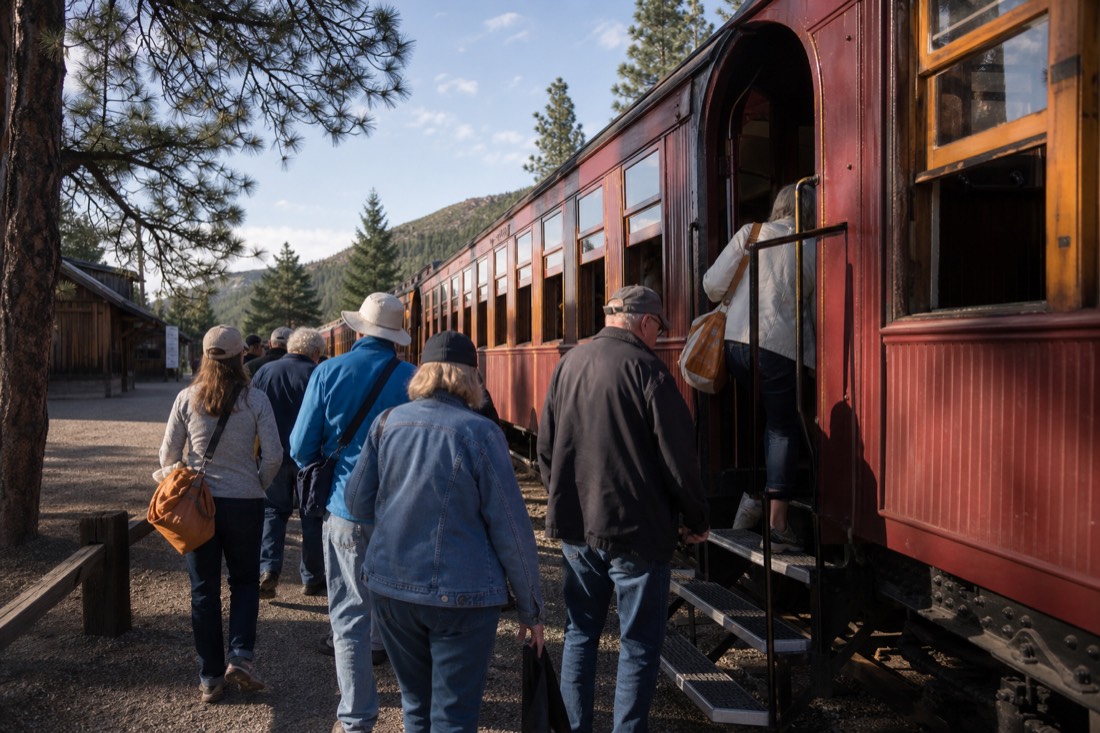
Yes, and it is the most underrated Phoenix plan there is. Drive up the evening before, sleep in Williams, and board the roughly 9:45am train for the ride to the rim, about 2 hours 15 minutes each way. You skip park-gate traffic and parking entirely and arrive the way visitors did a century ago.
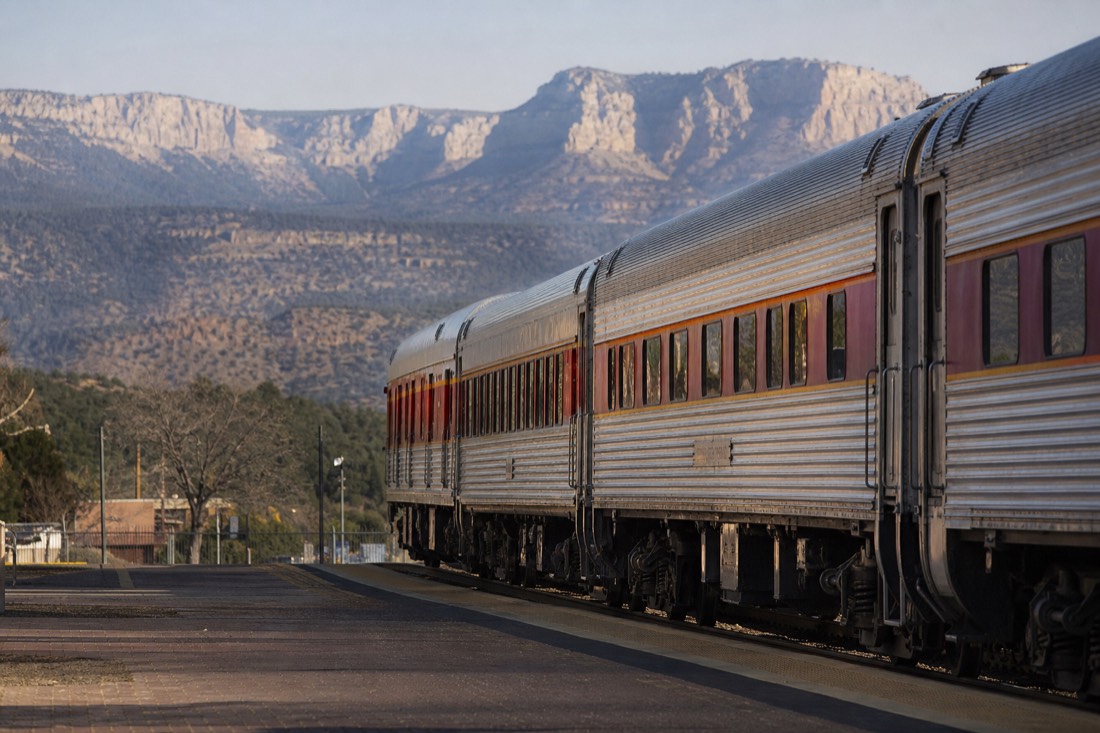
The railway turns transportation into part of the trip. Kids love it, grandparents love it, and the driver in your group finally gets a day off. The round trip is rated 4.7 across 940 GetYourGuide reviews, and the operator posts its own packages and offers if you want to bolt on lodging at either end. Every ticket option lives on the train packages page, and there is a first-person account of the ride itself in riding the Grand Canyon Railway.
The one catch for planners: the morning departure means Williams the night before is close to mandatory from Phoenix, and cancellation terms run tighter than day tours, so lock your dates before you book.
What does the Phoenix drive break down into, leg by leg?
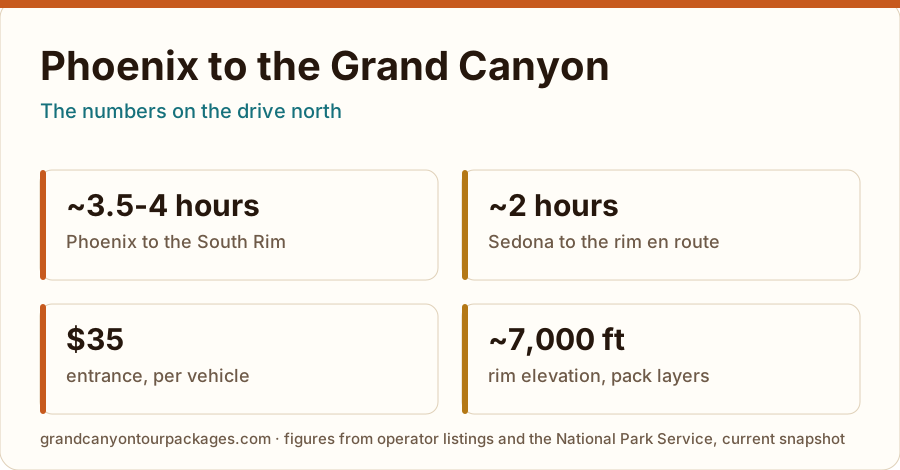
Three legs and a gate. Allow about an hour and a quarter to the Verde Valley, another forty-five minutes for the climb into Flagstaff, then an hour and a half of forest highway to the park entrance. Add ten to twenty minutes at the gate and the honest 3.5 to 4 hour figure makes sense.
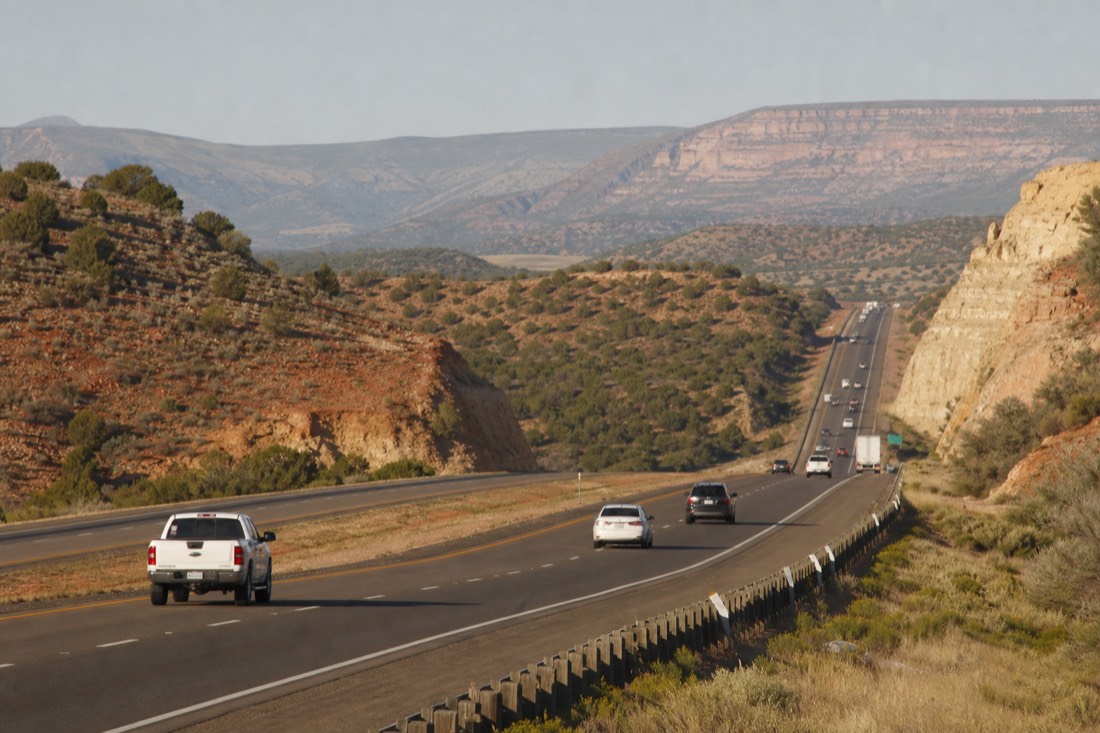
Thinking of it as one long blur is what makes the trip feel harder than it is. Split into pieces it is three short drives with three different personalities, and not one of them runs longer than ninety minutes. The first is pure interstate out of the valley, hot at the bottom and noticeably cooler where it tops out. The second is the climb, where the engine works and the vegetation changes twice in half an hour. The third is the quiet one: pine, grassland, and very little to do except watch the shoulders for elk.
Gate time is the piece nobody budgets for. Summer mornings and holiday weekends stack cars at the entrance station, and on a bad day that queue outlasts the climb out of Camp Verde. Buying entry ahead through the park's fee page will not skip the line, but it shortens your transaction at the window and spares you hunting for a card in the sun.
| Leg | Road | Allow | What changes |
|---|---|---|---|
| Phoenix to the Verde Valley | I-17 north | ~1 h 15 min | Saguaro desert thins into high-desert scrub |
| Verde Valley to Flagstaff | I-17 up the rim climb | ~45 min | Pines appear, air cools, 7,000 feet at the top |
| Flagstaff to the park gate | Route 180 or via Williams on 64 | ~1 h 30 min | Ponderosa forest and open grassland, elk country |
| Gate to your first viewpoint | Park roads | 10 to 20 min | The entrance queue is the wildcard |
Those are planning allowances, not promises. Weather, a weekend backup at the Verde Valley exits, or one slow breakfast will move any of them.
What time do you have to leave Phoenix to catch sunset at the rim?
Work backwards from sunset rather than forwards from breakfast. The drive takes four hours with a stop, and you want roughly ninety minutes of slack at the far end for parking, walking out to a viewpoint and settling in. Whatever time the sun goes down on your date, leave Phoenix five and a half hours earlier.
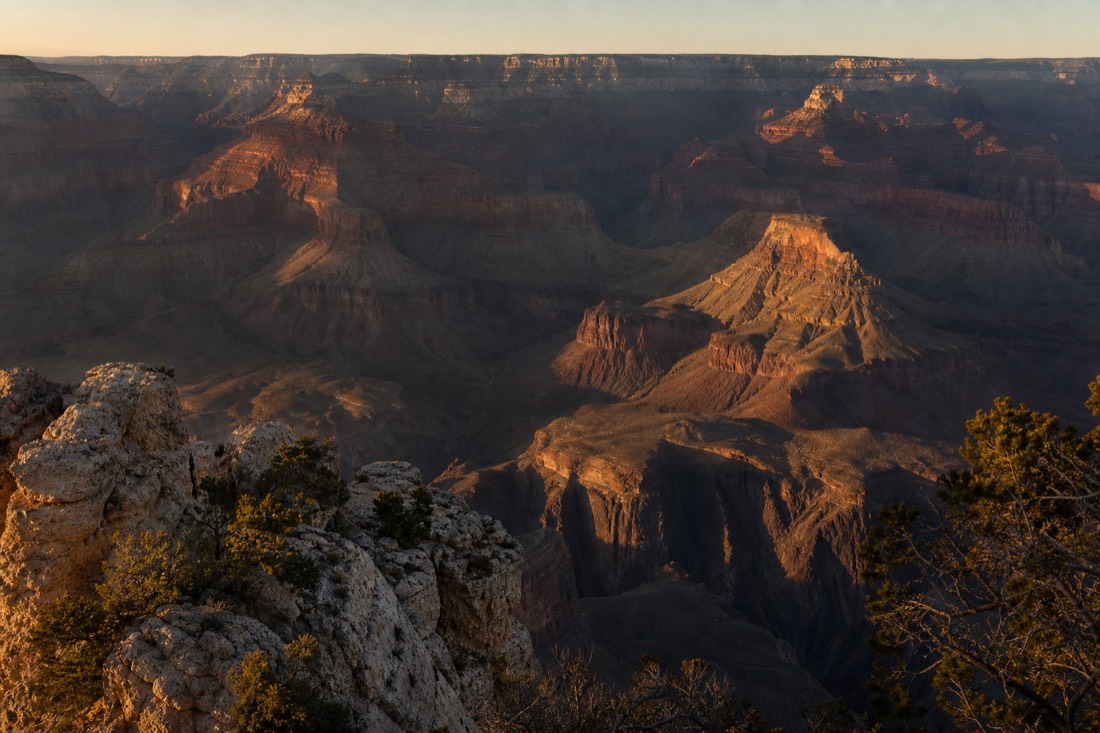
Sunset is the reason to make the drive and the thing day-trippers most often miss, because they plan the outbound leg and forget the arrival. Parking near the popular overlooks tightens in the last hour of light. The rim shuttle runs on its own rhythm. Walking from a lot to a good spot takes longer than the map suggests when the path is crowded and you are stopping to look at everything.
Sunrise flips the same arithmetic and hurts more. A dawn arrival from Phoenix means leaving in the small hours and driving the last hour in the dark through elk country, which is the argument for sleeping in Flagstaff, Williams or Tusayan instead. If you are weighing which end of the day to chase, Mather Point at sunrise or sunset settles it with the light rather than the logistics.
| What you want at the rim | Be through the gate by | Leave Phoenix by |
|---|---|---|
| Sunrise light on the buttes | 30 min before sunrise | 4.5 h before sunrise |
| A full, unhurried day | 10:00am | 6:00am |
| Afternoon viewpoints plus sunset | 2:00pm | 10:00am |
| Sunset only, then straight home | 90 min before sunset | 5.5 h before sunset |
The return leg is the one to respect. Leaving the rim at last light puts you back in the valley late, on roads where the first hour is dark two-lane and the last hour is freeway with your eyes already tired.
Where should you stop for fuel and food on the way north?
Fill up in Flagstaff, always. Below it the interstate gives you regular options; above it the towns thin out fast and the prices climb with the elevation. Camp Verde covers a mid-drive break, Williams handles lunch with more character, and Tusayan is your last chance before the gate.
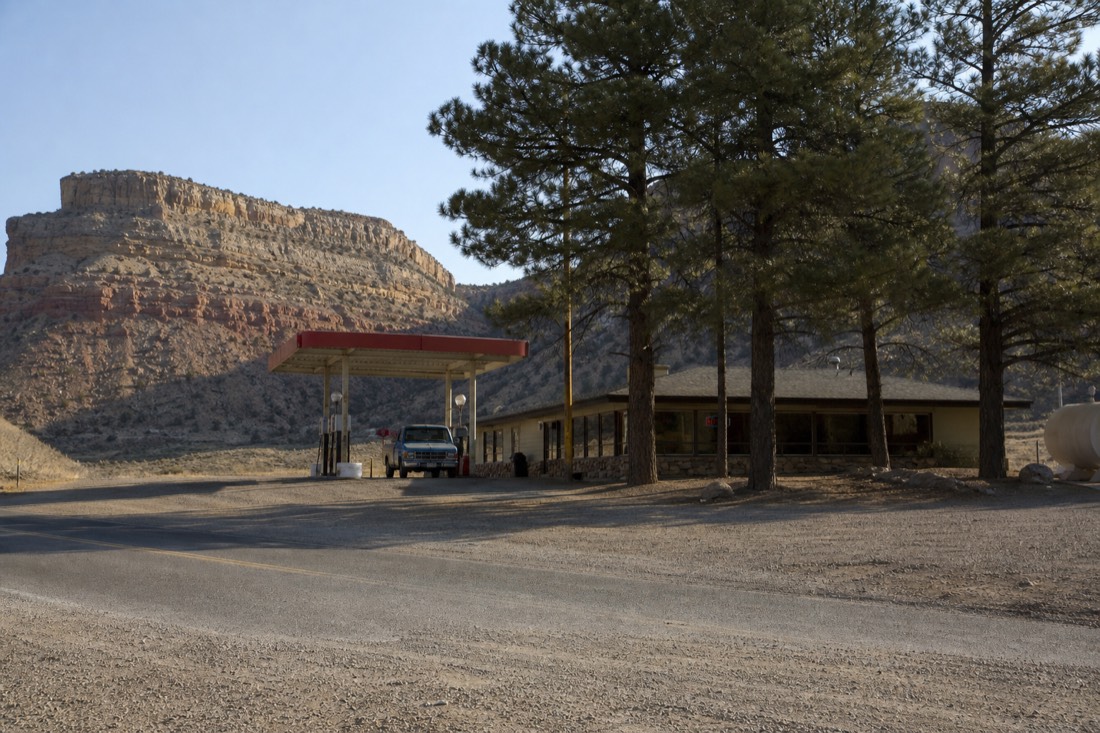
The stop plan matters more on the way home than on the way up. Northbound you are fresh and everything is open. Southbound at nine at night, half the plateau kitchens have closed and you are looking at gas-station food for two hours. Eat before you leave the rim, or eat in Williams while it is still an option.
Water deserves its own line. The valley end of this drive is desert and the plateau end is dry high country, and both dehydrate you quietly. Carry more than you think you need, and refill at the rim where the park keeps filling stations running.
| Stop | Good for | Watch out |
|---|---|---|
| Sunset Point, I-17 | First stretch of the legs, big view back over the desert | No fuel, restrooms only |
| Camp Verde | Fuel, quick food, a natural halfway break | Weekend exits back up onto the interstate |
| Flagstaff | Full services, groceries, proper restaurants | Cheapest and widest choice on the whole route |
| Williams | Route 66 diners, fuel, the railway depot | Small town, kitchens close earlier than you expect |
| Tusayan | Last fuel and food before the gate | Limited choice, busy at peak hours |
Which stretch of this drive do people underestimate?
The last hour, past Flagstaff. Everyone braces for the interstate climb and then relaxes once the pines start, which is exactly backwards. That final stretch is unlit two-lane at 7,000 feet, thick with elk at dawn and dusk, and a January squall can glaze it in the time it takes to drink a coffee.
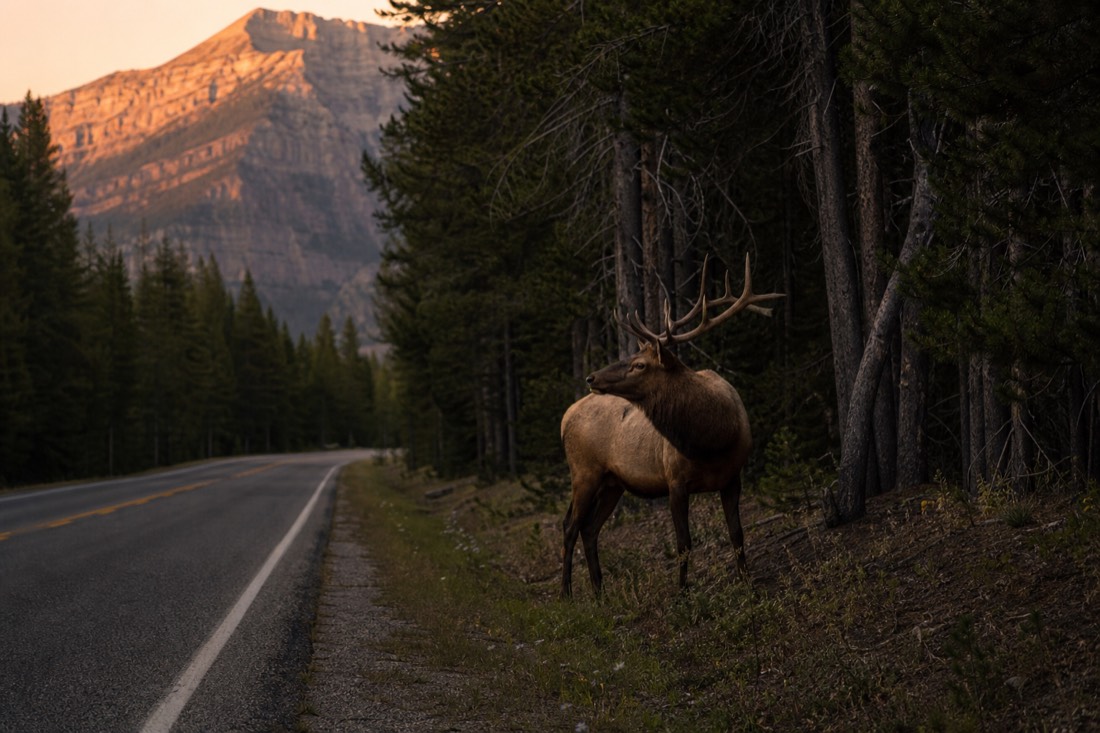
I drive these highways going home to the Nation, and the plateau is where I slow down, not where I speed up. Elk do not behave like deer. They stand in the road and look at you, they weigh what a small car weighs, and they travel in groups, so the one you see is rarely the only one. My habit is simple: after sunset I drop well under the limit on that last stretch, keep the high beams on where there is no oncoming traffic, and scan the shoulders instead of the centre line.
Altitude is the other thing valley visitors do not feel coming. You leave Phoenix near sea-level thinking and arrive at 7,000 feet, where the sun burns harder, the air pulls moisture out of you, and a short walk on the rim trail leaves you breathing more heavily than it should. None of that is dangerous if you know it is happening. It just means water, sunscreen, and a jacket that would look silly back in the valley.
One more thing I say to anyone driving out here from the city. The land either side of these roads is somebody's home and often somebody's grazing allotment. Pull off at the marked pull-offs, not through a fence line, and if you stop at a roadside stand on tribal land, ask before you photograph the people working it.
How do the seasons change the Phoenix run?
Winter is the only season that can genuinely break the plan. Snow at Flagstaff and above is real mountain weather, and Route 64 or 180 can close in a storm. Summer brings valley heat at both ends and monsoon storms from July into September. Spring and fall are the easy months in both directions.
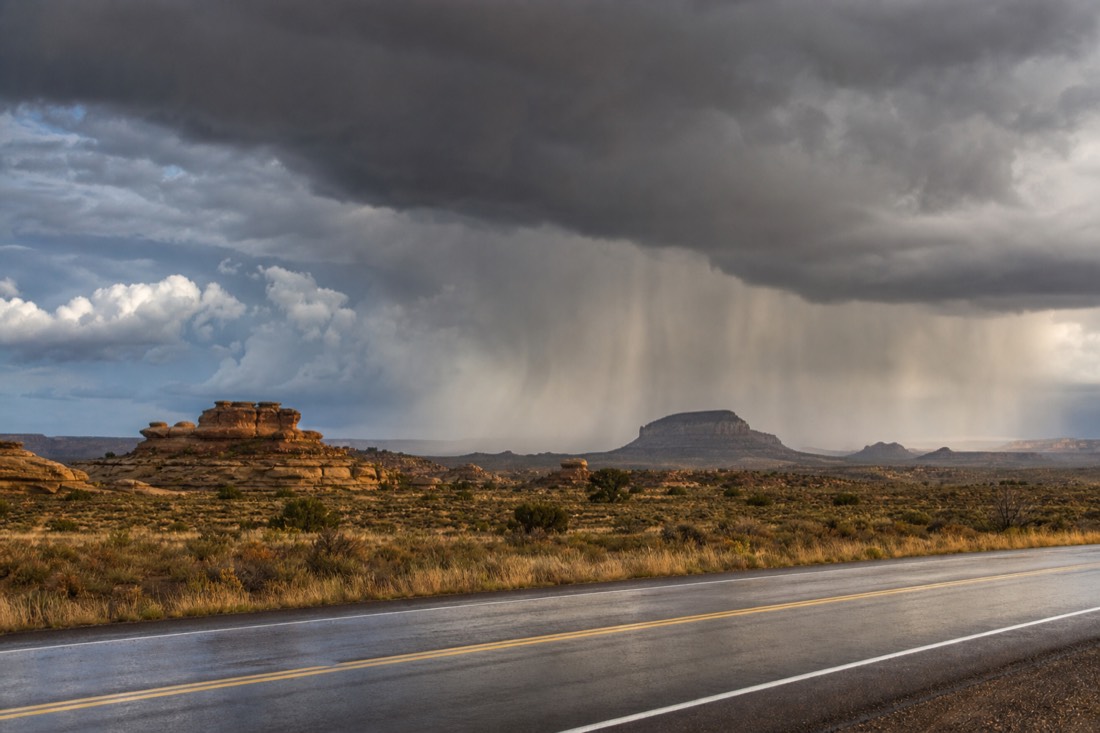
The strange part of driving north from Phoenix is that you cross seasons on the way. A February morning can be seventy degrees at the airport and snowing at the rim. Packing for the valley you left is the classic mistake, and it turns a beautiful cold day at the canyon into an hour of shivering before somebody suggests going back to the car.
Monsoon afternoons deserve respect rather than fear. Storms build fast over the plateau in late summer, dump hard, and move on. They also produce the most dramatic light the canyon gets all year. Plan the day so you are not committed to an exposed rim walk at three in the afternoon, and the storms become the best part of the trip.
| Season | The drive from Phoenix | Planning allowance |
|---|---|---|
| Winter (Dec-Mar) | Warm valley start, snow and ice above Flagstaff, possible closures on 64 and 180 | Add an hour, keep the day flexible, check the morning forecast |
| Spring (Apr-May) | Clear and easy, windy on the plateau | Nothing extra, the smoothest driving of the year |
| Summer (Jun-Aug) | Heat at both ends of the day, monsoon storms building July onward | Start early, expect an afternoon downpour |
| Fall (Sep-Oct) | Crisp, clear, low traffic once the school year starts | The best all-round window for this route |
Who should skip the drive from Phoenix altogether?
Anyone travelling with one driver and small children, anyone with mobility limits that make eight hours in a seat punishing, and anyone whose only free day lands in a live winter storm. For those trips the railway from Williams or a short flight into Flagstaff turns a hard day into an easy one.
There is no prize for driving it. The single-driver day trip with a car full of kids is the version I hear the most complaints about, because the driving is fine and the parenting is not. Two adults who can swap the wheel change the whole equation. So does an overnight, which is the real fix for almost every version of this problem.
The railway option is the underrated escape hatch, and it earns its own strategy section above. Drive up the afternoon before, sleep in Williams, and let the train handle the last leg while everyone in your group looks out of a window instead of at the road. Every ticket variant we track sits on the train packages page.
Age and stamina change the calculus too, and not always in the direction people assume. Plenty of visitors in their seventies handle this drive better than a stressed thirty-five-year-old on four hours of sleep. What matters is the number of drivers, the length of the day, and how much of it is in the dark. The tours for seniors guide works through the versions that stay comfortable.
Do I need a 4x4 or special vehicle for the drive from Phoenix?
No. Every mile from Phoenix to the South Rim is paved highway. In winter, watch the forecast around Flagstaff, which sits at 7,000 feet and gets real snow; the roads are plowed but conditions change fast.
Is the West Rim Skywalk ever worth it from Phoenix?
Not really. The Skywalk sits at Grand Canyon West on the Vegas side of the map, with its own separate admission. From Phoenix the South Rim is closer, cheaper to enter, and shows you the canyon at its deepest and widest.
What time should I leave Phoenix for a day trip?
By 6am. That puts you at the rim before 10am with the best part of the day ahead. Every hour later comes straight out of your canyon time, not your driving time.
If Phoenix is your launch point, the last piece of the puzzle is nights: whether one is enough, and where to spend it. Start with how many days the canyon deserves, then match a base town to your plan.
Make the day fit your trip
Check your date before arranging the rest
Initial editorial suggestion. Use the optional choices to narrow this article’s shortlist; confirm individual eligibility with the operator.
Phoenix and Scottsdale canyon day trip
South Rim sightseeing and a Sedona stop with the long round-trip drive handled for you.
About 13 hours; selected Phoenix, Scottsdale or Tempe pickups, sometimes a nearby meeting point. English guide and water included. Lunch, tips and nonresident fees extra. Minimum age three; bring required child seats. No onboard restroom.
Compare options and tailor this choice
Why choose an alternative?
Phoenix and Scottsdale canyon day trip · Phoenix / Scottsdale · 13 hours to allow
South Rim sightseeing and a Sedona stop with the long round-trip drive handled for you. About 13 hours; selected Phoenix, Scottsdale or Tempe pickups, sometimes a nearby meeting point. English guide and water included. Lunch, tips and nonresident fees extra. Minimum age three; bring required child seats. No onboard restroom.
South Rim airplane flight · Tusayan · 2 hours to allow
A 40-minute sightseeing flight over the canyon, with an optional Hummer tour sold separately. Own arrival at Tusayan airport; allow check-in time beyond the flight. English audio available. At 300 lb or more, an extra seat is required. Under-twos may ride on a lap with proof of age; confirm boarding needs directly.
Grand Canyon Railway round trip · Williams · 8 hours to allow
Historic rail travel from Williams to Grand Canyon Village with a same-day return. About eight hours overall; own arrival at Williams Depot. Choose coach or first class. Meals and hotel pickup excluded. Under-twos ride on a lap. Arrange any boarding assistance in advance; confirm current park charges.
Compare your own quotes
Enter totals for the same party and inclusions, in one currency. Include transport, entry, meals and extras in both quotes.
Viator scheduled departures
Select a date to see the published schedule. Seats, final price and booking are confirmed on Viator.
Affiliate booking link: we may earn a commission at no extra cost to you.