South Rim vs West Rim: Which Grand Canyon Should You Actually Visit?
They share a name and almost nothing else. One is a national park with mile-deep panoramas, the other a tribal destination two hours from Vegas with a glass bridge. Picking wrong wastes a whole day.
 Written with Daniel Begay, Southwest canyon-country tour guide & Navajo cultural specialist
Short answer
Visit the South Rim for the classic, deepest Grand Canyon views inside the national park, especially if you are coming from Arizona. Visit the West Rim if you are based in Las Vegas and want the Skywalk and a shorter travel day, since it sits about two hours from the Strip on Hualapai tribal land with its own separate admission.
People plan the Grand Canyon like it is one place. It is not. I live in canyon country, and I still hear travelers at gas stations on US 93 realizing, too late, that the rim they booked is a four-hour drive from the rim they imagined. The South Rim and the West Rim are separated by more than 200 road miles, run by different governments, and priced with different tickets. Sorting this out before you book is the single highest-value decision in the whole trip.
What is the difference between the South Rim and the West Rim?
The South Rim is Grand Canyon National Park, run by the National Park Service, with the deepest and most famous views. The West Rim is Grand Canyon West, a separate destination on Hualapai tribal land about two hours from Las Vegas, home of the Skywalk. They are 200+ road miles apart with separate admissions.
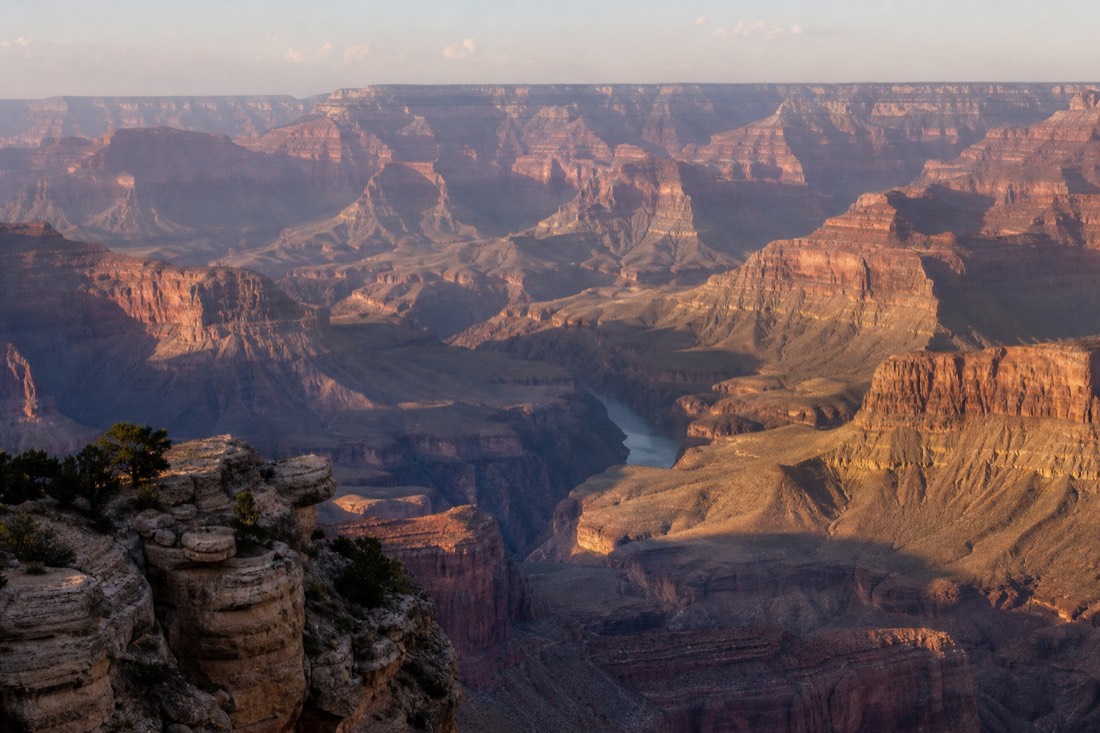
The confusion is understandable, because both places truthfully call themselves the Grand Canyon. The canyon itself runs 277 river miles, long enough to hold a national park on one stretch and a tribal enterprise on another. But the visitor experience diverges completely, starting with who runs the gate.
| South Rim | West Rim (Grand Canyon West) | North Rim | |
|---|---|---|---|
| Run by | National Park Service | Hualapai Tribe | National Park Service |
| Admission | $35/vehicle or $20/person | $67 general, $99 with Skywalk | NPS fees (when open) |
| America the Beautiful pass | Valid | Not valid | Valid |
| Open | Year-round, no timed entry | Year-round | Select areas reopened May 15, 2026 |
| From Las Vegas | About 4.5 hours | About 2 hours | Not currently an option |
| Signature sight | Mile-deep classic panoramas | Skywalk, Eagle Point, Guano Point | High forested overlooks |
| Helicopters below the rim | No | Yes, only here | No |
Which rim is closest to Las Vegas?
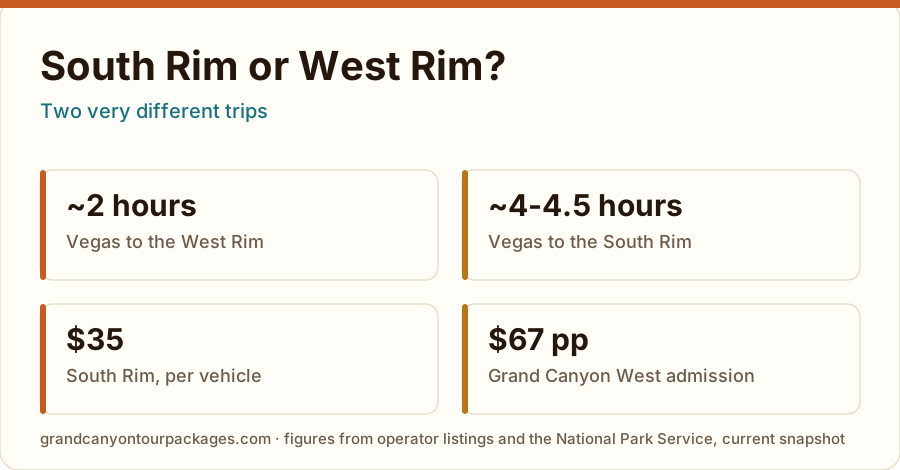
The West Rim, by a wide margin. Grand Canyon West sits about two hours from the Strip, which is exactly why it exists as a day-trip destination. The South Rim is roughly four and a half hours from Vegas each way, which is why South Rim days from Vegas run 14 hours or more.
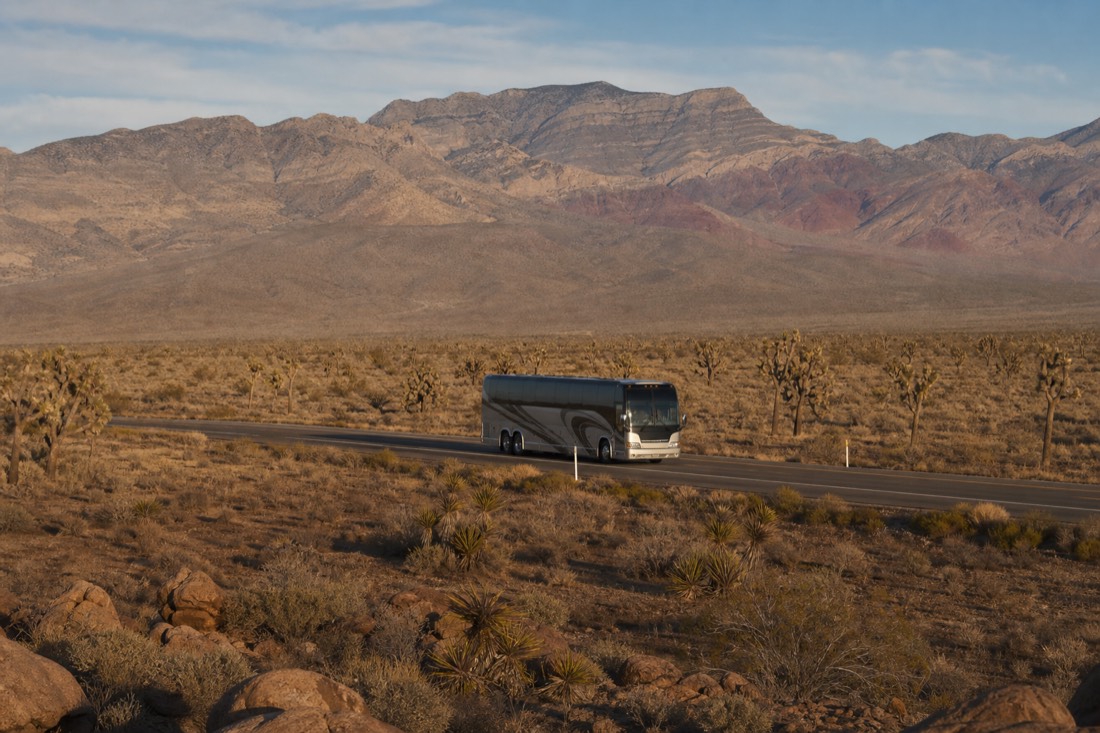
Distance is the West Rim's entire pitch, and it is a fair one. Two hours out, five or six hours on the rim, two hours back, and you are at dinner on the Strip by evening. The big coach day trip that runs this route holds a 4.6 rating across about 6,144 Viator reviews, which tells you how many people make exactly this calculation every week. The Las Vegas departures page lists every canyon trip that leaves from the Strip, and if the West Rim is your pick you can check live availability and prices on Viator for the full-day coach.
The West Rim also owns one experience no other rim can offer: helicopters are permitted to descend below the rim only here, landing near the Colorado River on Hualapai land. Inside the national park, aircraft stay well above the rim. If a canyon-floor landing is on your bucket list, the West Rim is not one option, it is the only option, and the helicopter lineup shows what that looks like. For the drive-or-tour question itself, the Vegas logistics guide runs the numbers both ways.
What is the prettiest rim of the Grand Canyon?
The South Rim, by most measures and by mine. The canyon there is at its deepest and widest, around a mile down and up to 18 miles across, with the layered panoramas from Mather Point and Hopi Point that made the canyon famous. The West Rim is narrower and shallower, dramatic but different.
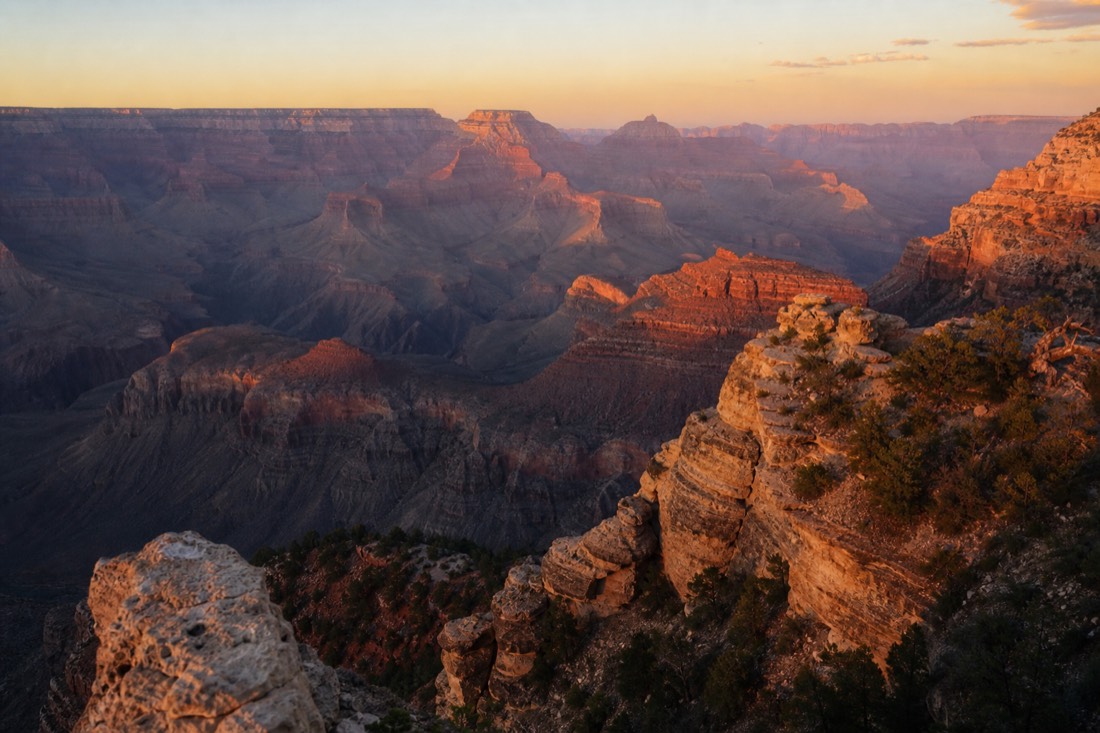
I will not pretend to be neutral here. The South Rim view is the one on the postcards for a reason. You stand at the edge and the ground falls away through two billion years of rock, temple after temple of stone fading blue toward the far wall. Nothing at the West Rim matches that scale, and honest Hualapai guides will tell you the same.
What the West Rim has instead is intimacy and stunts. The canyon there is close enough that Guano Point gives you river views in two directions from one rocky knob, and the Skywalk hangs you 70 stories over the drop on glass. That is a genuine thrill, just a different species of it. One recent change worth knowing: the Skywalk now lets you carry your own phone onto the glass at your own risk, a reversal of the old locker rule, and the photo policy post covers what that means for your shots.
Pretty also depends on time of day. Both rims reward late light, but the South Rim's depth makes sunset there something else entirely; the South Rim highlights guide maps where to stand.
How much does each rim cost to enter?
South Rim entry is $35 per vehicle or $20 per person, valid seven days, and America the Beautiful passes are accepted. Grand Canyon West charges per person: $67 general admission or $99 all-access with the Skywalk, and NPS passes are not valid there because it is not a national park.
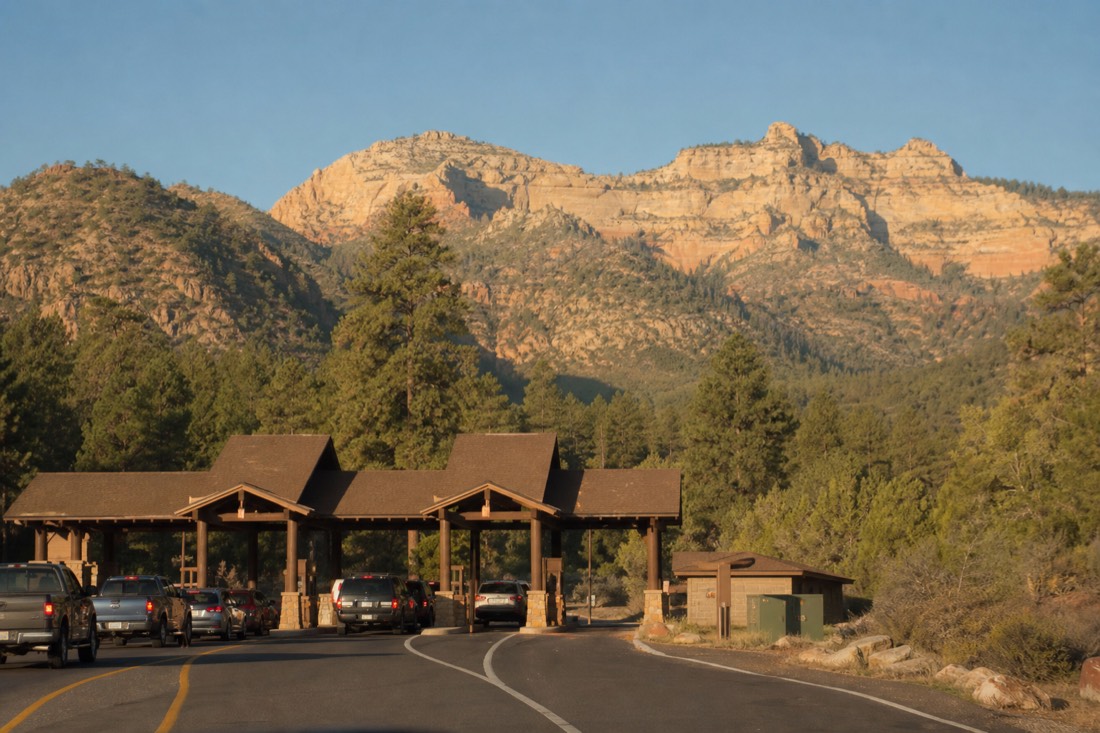
This is where families get surprised. A carload of four pays $35 total at the South Rim gate, per the NPS fee schedule, while the same four pay $268 or more at Grand Canyon West under the per-person pricing posted on the official tickets page. Neither price is wrong, they are just different business models: one is a federal park, the other is the Hualapai Tribe's primary enterprise, and your admission there funds the community that owns the land.
| Cost item | South Rim | West Rim |
|---|---|---|
| Entry, family of four in one car | $35 total | From $268 (4 x $67) |
| Skywalk | Not applicable | Included only in $99 all-access |
| America the Beautiful pass | Covers entry | Not accepted |
| Ticket validity | 7 days | Day of visit |
| Typical extras | Parking free, shuttles free | Helicopter and boat add-ons |
Note that many packaged tours fold admission into the tour price on both sides. Read the inclusions line before you double-pay, and see the full trip budget guide for how entry fits into the whole day's spend.
What about the North Rim right now?
Select North Rim areas reopened on May 15, 2026. There is no in-park overnight lodging; the North Kaibab Trail is closed following August flooding. Check current NPS access before travel.
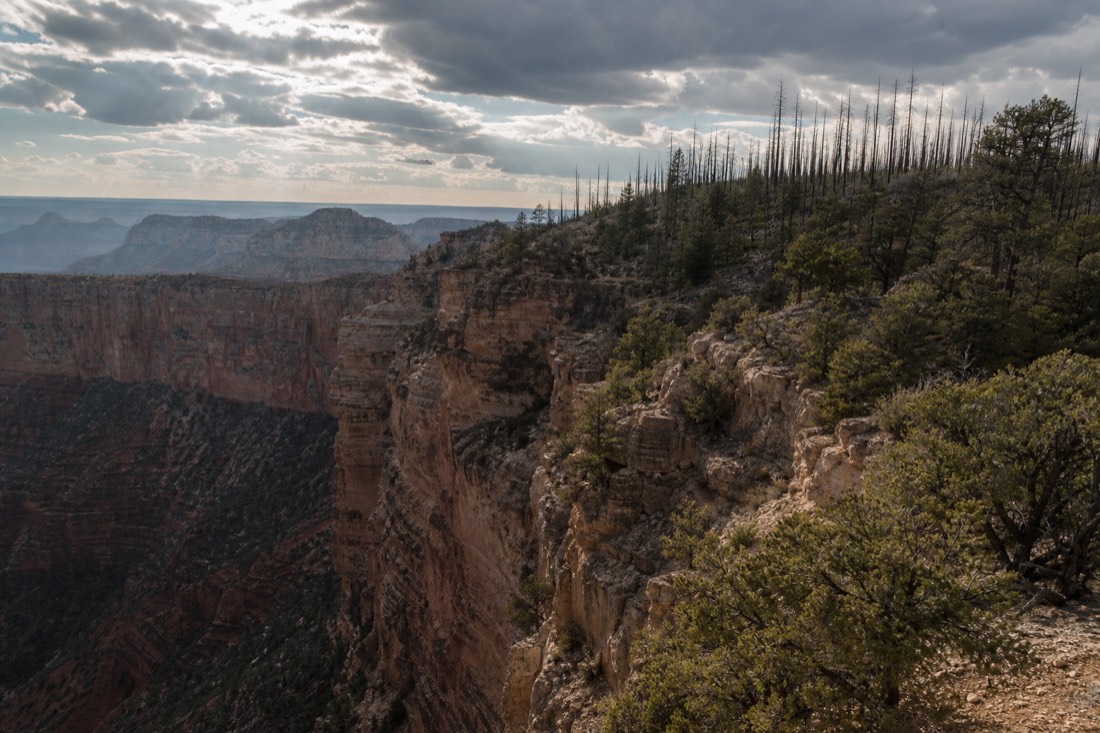
The North Rim was always the quiet third answer, a thousand feet higher than the South Rim, cooler, greener, and far less visited. The fire changed the available services. Select areas reopened in May 2026, but the loss of the lodge means there is no in-park overnight lodging. I wrote up what the fire changed and what recovery looks like in the North Rim status post. If your heart is set on the high country, confirm the specific open viewpoints and seasonal road access before making the drive.
So which rim should you actually pick?
Pick by your starting point and your one non-negotiable. Based in Vegas with one day: West Rim. Coming through Arizona, or willing to give the canyon a full day for the definitive views: South Rim. Want a helicopter landing below the rim: West Rim, since only there is it allowed.
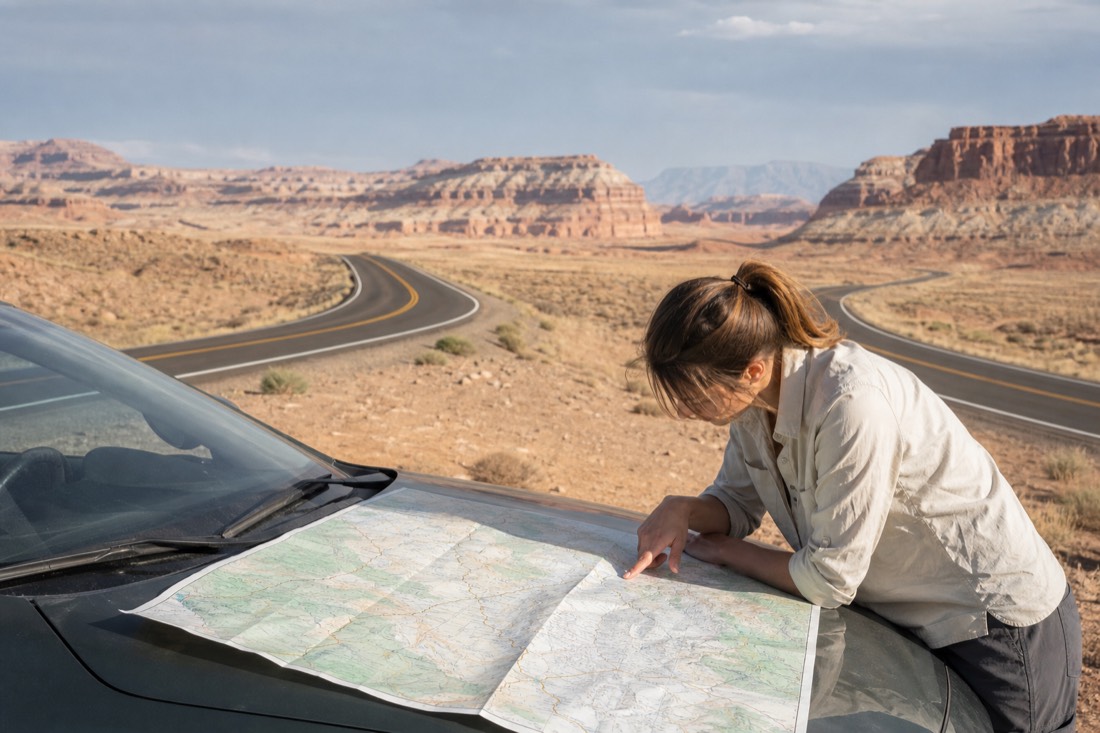
Here is the decision reduced to its honest core.
| Your situation | Go to |
|---|---|
| Vegas base, one spare day, want the Skywalk | West Rim |
| Vegas base, willing to commit 14+ hours | South Rim coach day |
| Driving through Arizona on I-40 | South Rim |
| Must land below the rim by helicopter | West Rim |
| Photographer chasing the iconic panorama | South Rim |
| Traveling with an America the Beautiful pass | South Rim, pass pays for itself |
| Two or more days available | South Rim, sleep near the park |
If the South Rim wins, your next decision is the base town, and the Williams vs Flagstaff vs Tusayan comparison settles that. If you are still torn on timing, how many days the canyon deserves is the other half of the puzzle. And the West Rim and Skywalk tours page holds the full lineup for the Vegas side.
What exactly does a Grand Canyon West ticket cover?
General admission runs $67 per person and the all-access pass $99, with the Skywalk on the all-access tier only. The pass covers the three viewpoints, Eagle Point, Guano Point and Hualapai Point, plus the shuttles that link them. Grand Canyon West also lists a zipline flight, a $10 meal credit and a $10 merchandise credit.
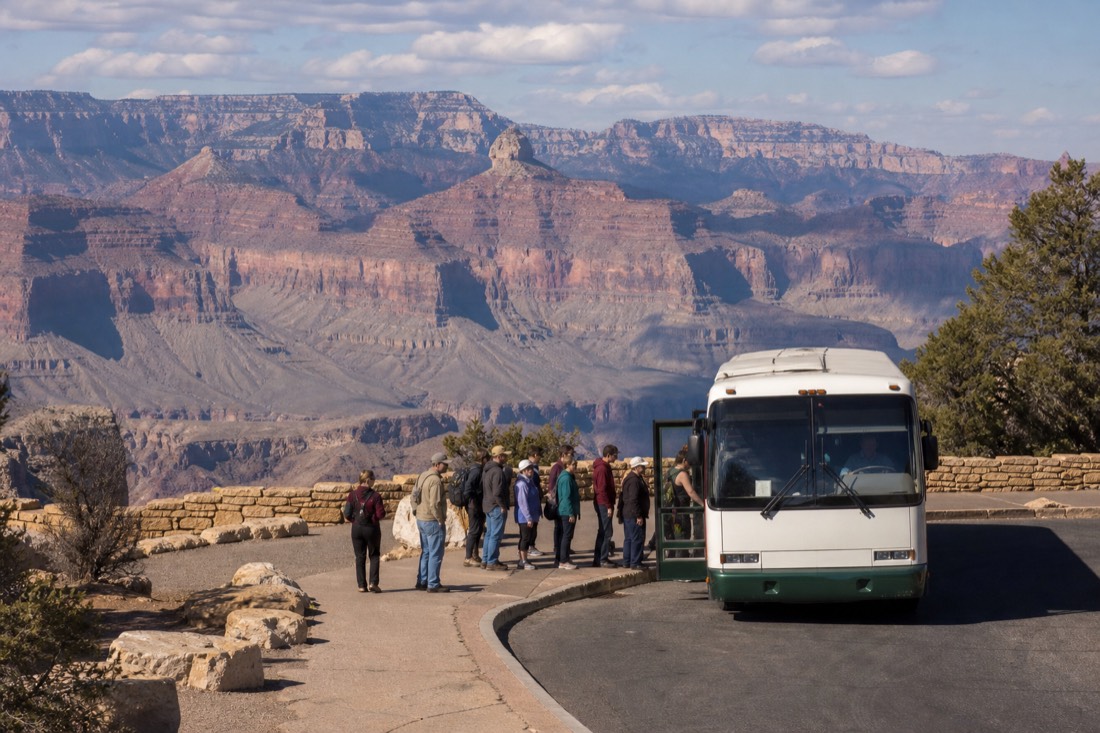
Most people never see this pricing broken out, because a coach tour from Vegas usually folds admission into one number. Self-drivers do see it, at the gate on Diamond Bar Road, and that is where the surprises land. There is no vehicle rate here. Everyone in the car pays, and your federal park pass buys nothing.
| What the ticket involves | Where it stands |
|---|---|
| General admission | $67 per person |
| All-access pass | $99 per person, and this is the tier that includes the Skywalk |
| Eagle Point, Guano Point, Hualapai Point | The three viewpoints the passes cover |
| Shuttles between viewpoints | Listed as covered by the pass |
| Zipline flight | Listed at Hualapai Point on grandcanyonwest.com |
| Meal credit | $10 |
| Merchandise credit | $10 |
| America the Beautiful pass | Not valid; this is not a national park |
| Self-drive arrival | 5001 Diamond Bar Road |
| Photos on the Skywalk | Personal phones now allowed at your own risk; professional photos still sold |
The published detail lives on the official tickets page, and it is worth reading the tier line before you drive out, because upgrading at the counter is a conversation nobody enjoys having with a carload of teenagers behind them.
What rules change the moment you cross onto tribal land?
Grand Canyon West sits on Hualapai land, so tribal rules apply rather than park rules. Drones are prohibited, alcohol is restricted, and you ask before photographing tribal members. The Skywalk now allows personal phones on the glass at your own risk, a reversal of the old locker policy.
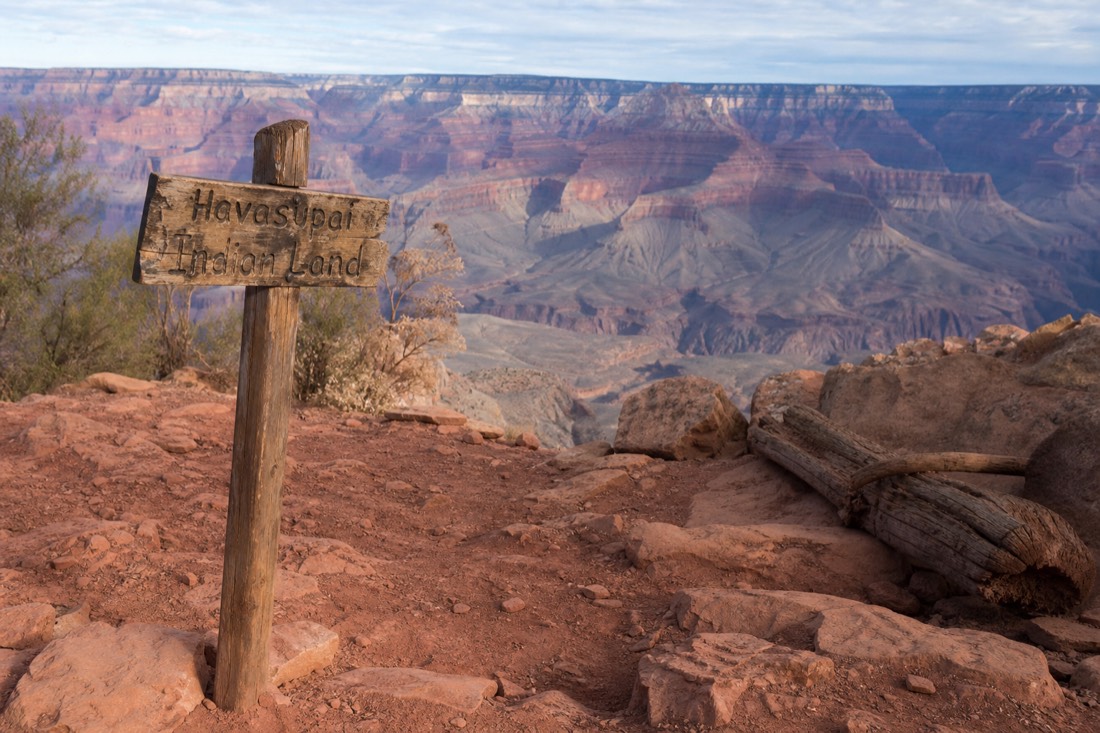
Daniel Begay is Navajo and has guided the Colorado Plateau since 2022, mostly out of Monument Valley, which is a different nation but the same lesson. "Visitors treat every canyon overlook like public land because most of the ones they have seen are. Grand Canyon West is not. It is a community's own enterprise on its own ground, and the money at the gate goes to that community. Behave like a guest, because you are one."
The specific thing he asks people to change: stop pointing cameras at staff. "Ask first. Every time. Nobody minds being asked and plenty of people mind not being asked. Same with the drone in your bag. Leave it in the car, or better, leave it at the hotel."
| Rule or custom | How it works at Grand Canyon West | Why it differs from the park |
|---|---|---|
| Who sets the terms | The Hualapai Tribe | This is tribal land, not a National Park Service unit |
| Drones | Prohibited | Tribal regulation, enforced on arrival |
| Alcohol | Restricted | Tribal law, not negotiable at the gate |
| Photographing tribal members | Ask before you shoot | Ordinary courtesy, treated seriously here |
| Personal phones on the Skywalk | Allowed at your own risk | A reversal of the old locker rule |
| Passes | NPS passes not accepted | Admission is a tribal ticket at $67 or $99 |
| Where your admission goes | To the tribe that owns the land | Park fees run through federal programmes |
How does a day at each rim actually run?
A West Rim day from Vegas is roughly two hours out, several hours on the rim, two hours back, and dinner on the Strip. A South Rim day from Vegas is four to four and a half hours each way, which is why those trips run fourteen hours or more and start before it is light.
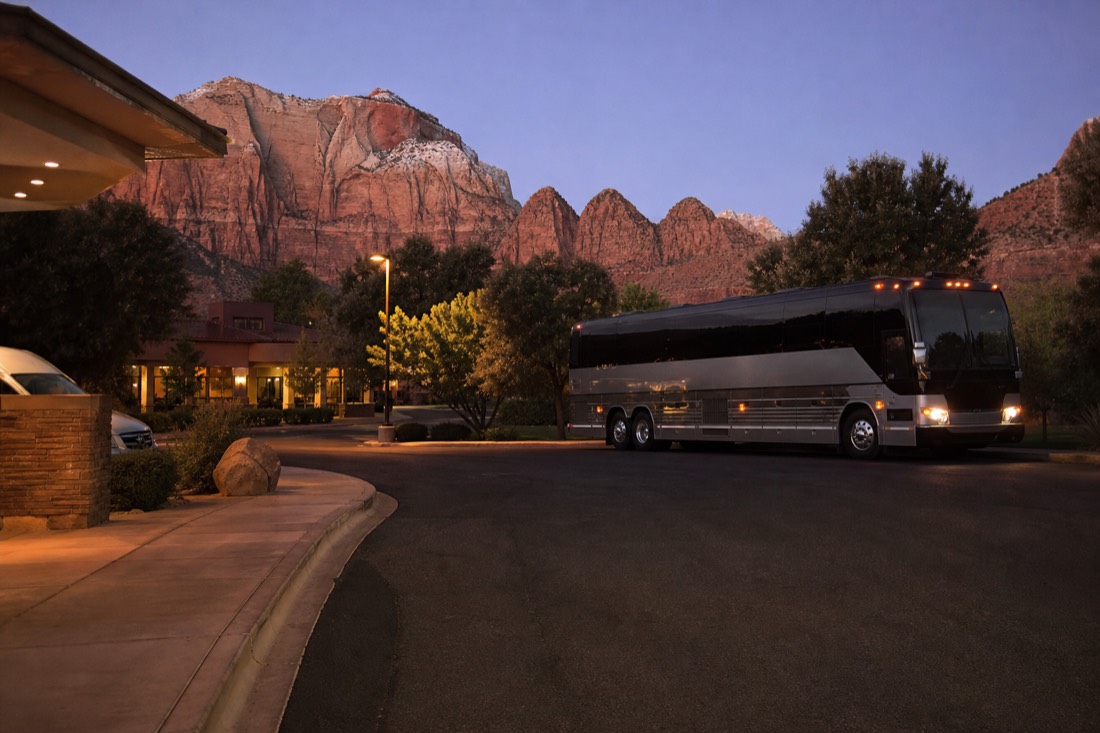
Set the two days side by side and the choice stops being about scenery. It becomes about how much of your holiday you are willing to spend looking at a headrest.
| Rough hour | West Rim day from Vegas | South Rim day from Vegas |
|---|---|---|
| Before dawn | Pickup, coffee, out onto US 93 | Earlier pickup, straight onto the long road |
| Mid-morning | Arrive, ticket, first shuttle to Eagle Point | Still driving, with a stop or two |
| Midday | Guano Point, lunch out on the rocks | Arriving at the rim |
| Early afternoon | Skywalk if you bought all-access | Mather and Yavapai, the classic panoramas |
| Mid-afternoon | Rolling back west | Boarding for the long return |
| Evening | Back on the Strip, night still yours | Still on the road, hours to go |
| Late | Free | Fourteen hours or more, door to door |
Both formats are sold heavily. The eleven-hour West Rim coach day from one Vegas operator, capped at 56 passengers with an IHOP breakfast stop, holds 4.8 across 3,086 Viator reviews, which is a lot of people voting for the shorter drive. The long South Rim version that pairs the canyon with Antelope Canyon and Horseshoe Bend sits at 4.8 across 1,987 GetYourGuide reviews, so the fourteen-hour day clearly delivers for the people who choose it deliberately. The mistake is choosing it accidentally.
Which rim handles the seasons better?
The West Rim runs year-round in open desert, brutal on the exposed points in summer and pleasant in winter. The South Rim sits near 7,000 feet, so it takes snow and ice on rim roads and trails, and Route 64 or 180 can close in a storm. Monsoon storms build over both from July into September.
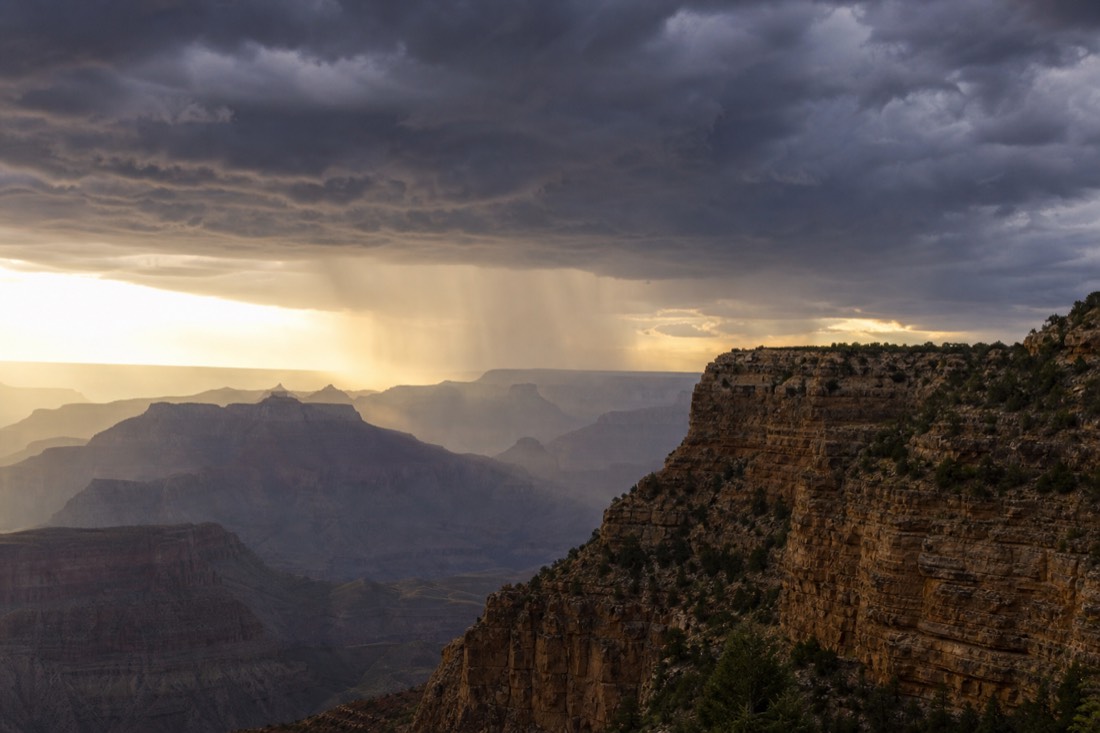
Season flips the comparison more than most people expect. In February the West Rim is the comfortable one and the South Rim is the beautiful, icy one. In July that reverses, because elevation is air conditioning and the exposed western points have none.
| Season | South Rim | Grand Canyon West | What to move in the plan |
|---|---|---|---|
| Winter | Open 365 days; snow and ice on rim roads and trails; Route 64 and 180 can close in storms | Year-round, and this is its comfortable stretch | Keep the day flexible and check road status before driving |
| Spring, April to May | Shoulder sweet spot | Warming fast | The best window for either rim |
| Summer | Cooler at elevation than the desert, but severe heat below the rim | Very hot on the exposed points | Take a morning slot at the West Rim |
| Monsoon, July into September | Afternoon storms build and break | The same storm pattern reaches it | Afternoon flights can be reshuffled |
| Fall, September to October | The other sweet spot | Excellent | The best window for either rim |
Timing beats rim choice more often than travellers think, and the month-by-month timing guide lays out which weeks are quietly the best of the year.
Who should skip both day trips and do something else?
Three groups. If you have half a day rather than a full one out of Vegas, fly instead of driving. If the canyon floor is the goal, only a West Rim helicopter can land below the rim. And if you have three days, a multi-day loop reaches ground no single-rim day trip touches.
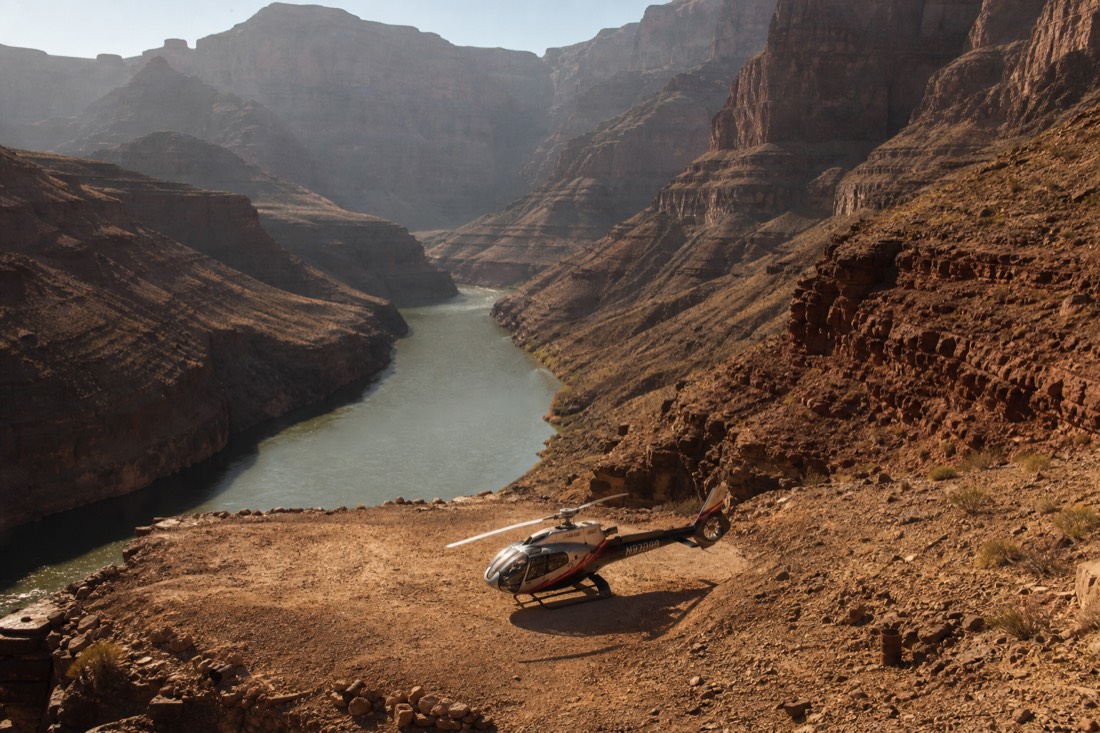
The half-day case is the strongest. A landing helicopter flight out of Vegas runs about four to four and a half hours door to door, against eleven or fourteen for the coach versions, and it is the only format that puts you on the canyon floor. Two of them carry heavy proof: an EcoStar canyon-landing flight at 4.8 across 1,666 GetYourGuide reviews over 4.5 hours, and a four-hour landing flight at 4.9 across 1,137. Neither of those is available on the national park side at any price, because aircraft there stay above the rim by regulation.
The three-day case is different. Fold the canyon into a loop and it stops competing with everything else on the itinerary. A small-group three-day trip capped at 14 holds 5.0 across 44 TourRadar reviews, a small sample worth reading as encouraging rather than settled. A big-coach three-day desert loop capped at 99 sits at 4.9 across 339, a very different travel style with very different pacing. The multi-day lineup sets them against each other properly.
And the group that should skip nothing: anyone with two days on the Arizona side. That is the trip the South Rim was built for.
What booking mistake do I see every spring?
Booking the rim before booking the trip around it. Every spring I meet people in Las Vegas holding South Rim tickets and a two-night Strip hotel, or Arizona road-trippers who bought Skywalk passes for a place 200 road miles from where they will actually be standing.
Daniel Begay again, and this is the one he raises unprompted. "The rim is the last decision, not the first. Where you sleep and how many days you have decide it for you. People do it backwards because the Skywalk photo is what they saw online, and then they build a whole Arizona road trip around a place that is closer to Las Vegas than to Flagstaff."
The second error he sees is the pass assumption. "Every season somebody rolls up to Grand Canyon West waving an America the Beautiful pass. It is not a national park. That pass is worth nothing at that gate, and the person taking the money did not make that rule."
The third is the both-rims-in-one-day plan. More than 200 road miles separate them, roughly four hours of driving on top of whatever you actually came to do. It is not a tight schedule, it is a fictional one. Pick one rim per day, and if you genuinely want both, split them across two bases: Vegas for the West Rim, an Arizona town for the South.
There is a quieter version of the same mistake, and it costs the best hour of the day. People book a South Rim sunset without checking what the drive back looks like in the dark, then spend the golden light watching the clock. Decide the return before you book the sunset.
Can I see both rims in one trip?
Yes, but not in one day. They are 200+ road miles apart, roughly a four-hour drive. Travelers doing both usually pair a Vegas West Rim day with a separate South Rim overnight on the Arizona side.
Is the Skywalk at the South Rim?
No. The Skywalk is only at Grand Canyon West on Hualapai land. Nothing like it exists inside the national park, and park rules would not allow it.
Do I need a reservation for the South Rim?
No timed entry exists at Grand Canyon National Park. You pay at the gate or show a pass. In-park lodging and mule rides are a different story and book far ahead.
Is the West Rim open year-round?
Yes, Grand Canyon West operates year-round, with details on the official FAQ page. Summer on the exposed points is very hot, so morning slots are the comfortable ones.
Make the day fit your trip
Check your date before arranging the rest
Initial editorial suggestion. Use the optional choices to narrow this article’s shortlist; confirm individual eligibility with the operator.
Las Vegas West Rim coach tour
Hotel transport, an IHOP breakfast and canyon time without driving the desert return yourself.
Selected Las Vegas hotel pickup; English guide, breakfast and water included. Skywalk and lunch depend on the option. Plan around 11 hours; confirm mobility arrangements with the operator.
Compare options and tailor this choice
Why choose an alternative?
Las Vegas West Rim coach tour · Las Vegas · 11 hours to allow
Hotel transport, an IHOP breakfast and canyon time without driving the desert return yourself. Selected Las Vegas hotel pickup; English guide, breakfast and water included. Skywalk and lunch depend on the option. Plan around 11 hours; confirm mobility arrangements with the operator.
Grand Canyon West All Access · Grand Canyon West · 7 hours to allow
Skywalk entry and the shuttle between Eagle Point and Guano Point in one self-arrival ticket. Drive yourself to Grand Canyon West. Includes zipline subject to weather and size restrictions; no Las Vegas transfer. Meal credit is $10 on a purchase of $20 or more. National park passes do not cover this ticket. This bookable listing starts at age three; confirm arrangements for younger children directly.
Sedona or Flagstaff South Rim day trip · Sedona / Flagstaff · 11 hours to allow
A small-group day linking volcanic country, Cameron Trading Post and East and South Rim viewpoints. English guide and hotel return: about 11 hours from Sedona or 9 from Flagstaff. Hotel details required 72 hours ahead. Bring your own car/booster seat for children eight and under. Meals, tips and nonresident fees extra; moderate fitness required.
South Rim airplane flight · Tusayan · 2 hours to allow
A 40-minute sightseeing flight over the canyon, with an optional Hummer tour sold separately. Own arrival at Tusayan airport; allow check-in time beyond the flight. English audio available. At 300 lb or more, an extra seat is required. Under-twos may ride on a lap with proof of age; confirm boarding needs directly.
Compare your own quotes
Enter totals for the same party and inclusions, in one currency. Include transport, entry, meals and extras in both quotes.
Viator scheduled departures
Select a date to see the published schedule. Seats, final price and booking are confirmed on Viator.
Affiliate booking link: we may earn a commission at no extra cost to you.